---As colors of autumn spread along the Qiantang River
and the fragrance of osmanthus filled the air in Hangzhou,
two international seminars organized by the Hangzhou Regional
Center (Asia-Pacific) for Small Hydro Power (HRC), successfully
concluded in October 2026. Held concurrently, the Seminar
on Water Conservancy Technologies for Developing Countries
and the Seminar on Water Resources Management and Ecological
Small Hydropower Development for Belt and Road Countries
brought together 46 government officials and technical
experts from 11 countries, including Colombia, Dominica,
Ghana, Honduras, Jordan, Kazakhstan, Morocco, Myanmar,
Nigeria, Rwanda, and South Africa. Over the 14-day program,
participants undertook specialized training on water resources
management, ecological small hydropower development, and
water conservancy technologies.
At the opening ceremony, Ms. SHU Jing, Deputy Director
General of HRC, extended a warm welcome to all participants.
She noted that climate change, water scarcity, and aquatic
ecosystem conservation have become major challenges shared
by the international community, while green and low-carbon
development and energy transition are essential to achieving
sustainable development. China has consistently followed
the water governance principles of "prioritizing water
conservation, balancing spatial distribution, taking systematic
approaches, and giving full play to the roles of both
government and market." She expressed China's willingness
to continue sharing its practical experience in water
resources management and ecological small hydropower development
with Belt and Road partner countries and other developing
countries, and to further deepen practical cooperation
in the water conservancy and hydropower sectors. Mr. Darron
Georges , Civil Engineer from the Ministry of Public Works
and the Digital Economy of Dominica and, expressed his
expectation of learning from China's experience in integrated
water resources management, hydrological monitoring, smart
water management, and ecological small hydropower development.
He remarked that the program offered a valuable opportunity
not only to learn about China's advanced technologies
and practical experience, but also to exchange ideas with
participants from other countries facing similar challenges.
Such exchanges, he noted, would help identify solutions
suited to local conditions and jointly strengthen capacities
for sustainable development. Mr. Jawad Al Gharaiybah,
Dam Manager at the Jordan Valley Authority, emphasized
that water security is not merely an environmental concern,
but also a national priority and a cornerstone of sustainable
development. He looked forward to learning from China's
experience in water conservancy technologies and working
with other countries to build climate-resilient water
systems.
During the program, senior experts and scholars in the
water conservancy and hydropower sectors delivered a series
of presentations on a wide range of topics, including
Xi Jinping Thought on ecological civilization and the
principles of "prioritizing water conservation, balancing
spatial distribution, taking systematic approaches, and
giving full play to the roles of both government and market"
for water governance; Zhejiang's practice in happy river
and lake construction and watershed aquatic ecological
product value realization; ecological development of small
hydropower and green transition; water conservancy and
hydropower technical standards and management in China;
river planning & design technology for small hydropower
plants; and smart water conservancy. These presentations
established a comprehensive curriculum integrating policy
and theoretical foundations, technical standards, and
practical case studies. The program also featured country
presentations, during which participants and Chinese experts
engaged in lively discussions and shared information on
their respective countries' water resources, project management
experience, and needs for international cooperation. These
exchanges laid a solid foundation for future substantive
technical collaboration.
With a strong emphasis on integrating theory with practice,
the program included a series of field visits and study
tours. Participants visited the China National Water Museum
to explore China's millennia-long history of water management,
and the Siling Reservoir Hydropower Station in Hangzhou
to gain first-hand insights into hydropower development.
At West Lake, they learned about water environment management
and gained a deeper appreciation of the wisdom of ecological
governance and the harmonious coexistence of humanity
and nature. They also visited the Nanjing Hydrological
and Water Resources Automation Research Institute of the
Ministry of Water Resources, and Tiexinqiao Water Research
Base, where they learned about the manufacturing of water
conservancy equipment and model testing of water conservancy
projects. During their stay in Nanjing, participants attended
the 5th International Conference on Water Security and
Sustainable Development, gaining insights into the latest
developments in global water governance and broadening
their international perspectives. In addition, participants
experienced the development of waterfront urban areas
along the Huangpu River and explored Shanghai City God
Temple and Hangzhou Qianjiang Small Commodity Market,
gaining a closer look at China's urban life, rapid development,
and rich cultural heritage.
At the closing ceremony, Mr. XU Zhifeng, Director General
of HRC, congratulated all participants on the successful
completion of the program. He noted that water scarcity,
aquatic ecosystem conservation, and energy transition
are pressing challenges shared by countries around the
world, and that the training programs represented a practical
example of countries working together to address global
water governance challenges. He encouraged participants
to bring the knowledge and experience gained in China
back to their home countries, apply them in ways suited
to local conditions, and promote the development of water
resources management, ecological small hydropower, and
water conservancy technologies. He also expressed his
hope that participants would become active contributors
to and promoters of friendship and practical cooperation
between China and their respective countries. Mr. Cleophace
Gahamanyi, Hydropower Development Expert at the Rwanda
Energy Group, expressed his gratitude to the Chinese government,
the organizing institution, and the lecturers. He remarked
that the program had deepened his understanding of water
resources management, ecological small hydropower development,
environmental protection, and sustainable development.
He pledged to share what he had learned with more colleagues
and apply the knowledge in light of Rwanda's national
circumstances. He also expressed his hope for continued
exchanges and visits, research cooperation, and technical
collaboration. Mr. Seisenov Iskander, Director of the
Department of Health Safety, Environment and Information
Security of Kazakhstan, noted that the program had enabled
participants to acquire professional knowledge and learn
about hydrological monitoring and modern approaches to
water resources management. Equally importantly, it had
brought together participants from different countries
and fostered new friendships. He expressed his hope that
these friendships and professional exchanges would continue,
creating new opportunities for future cooperation.
Though separated by thousands of miles, countries are
connected by shared waters and common aspirations. China
and Belt and Road partner countries share common development
goals and vast potential for cooperation in water resources
management, ecological small hydropower development, and
water conservancy technologies. Looking ahead, HRC will
continue to leverage its strengths as an international
cooperation platform and deepen its efforts in international
capacity building in the water conservancy and hydropower
sectors. Through training programs, technical exchanges,
and project cooperation, HRC will work hand in hand with
partners worldwide to share China's experience and solutions
in water management and development under the frameworks
of the Belt and Road Initiative and South-South cooperation.
In doing so, it will contribute Chinese expertise and
strength to global water governance and sustainable development,
while writing a new chapter in mutually beneficial cooperation
in the water sector. (2026-11-03)
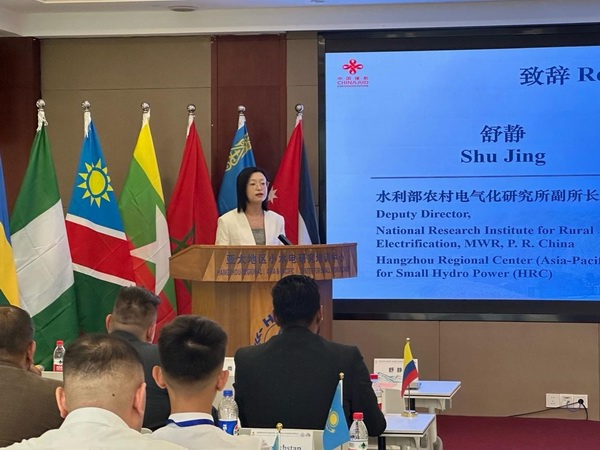
Opening Ceremony
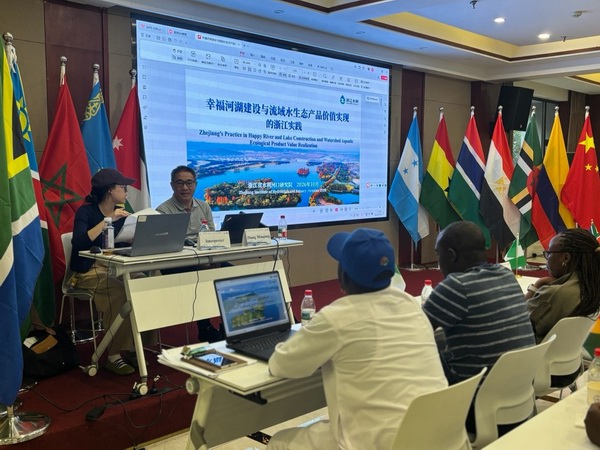
Classroom Presentations
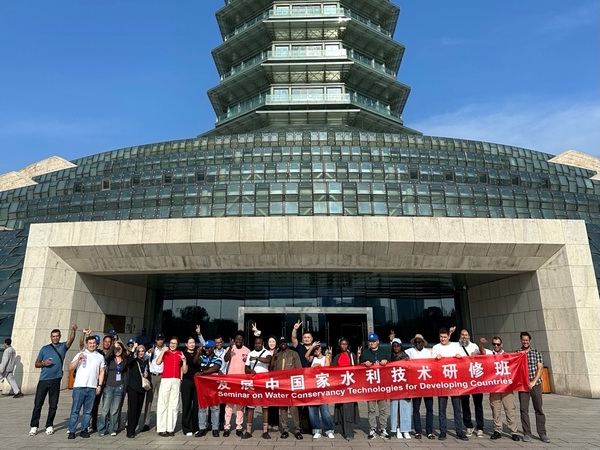
Visit to the China National Water Museum
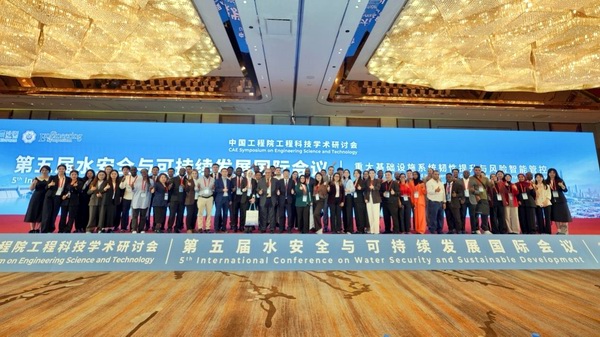
Participation in the 5th International
Conference on Water Security and Sustainable Development
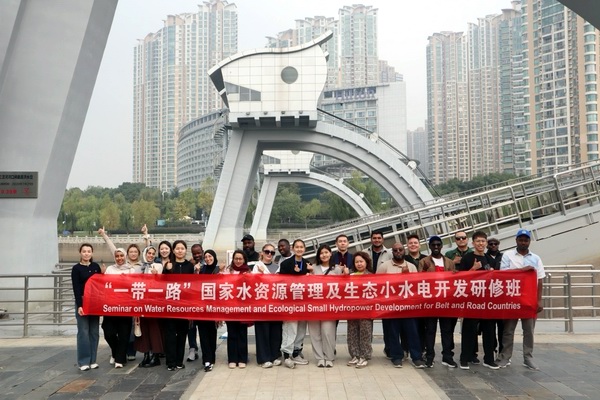
Visit to the Sancha River Estuary Sluice
Project
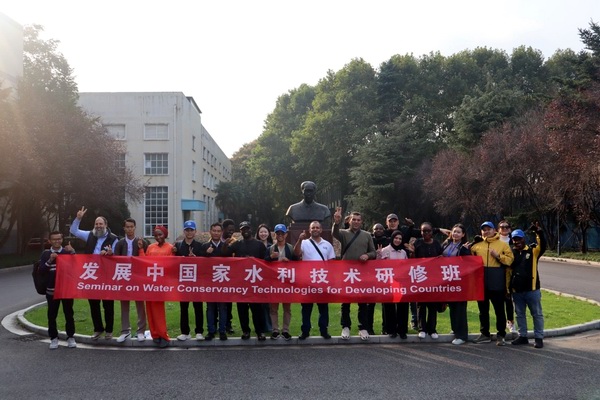
Visit to the Tiexinqiao Water Research
Base
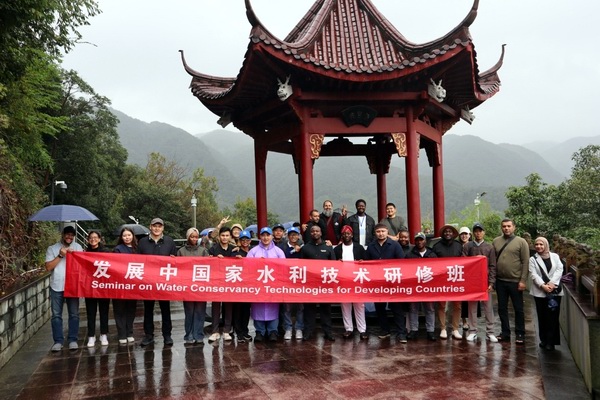
Visit to the Siling Reservoir Hydropower
Station in Hangzhou
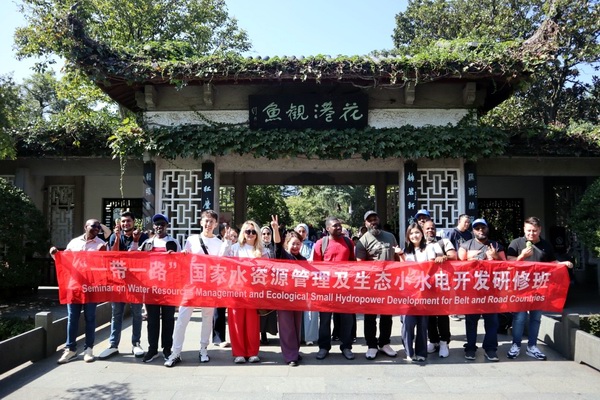
Study of Water Environment Management
at West Lake
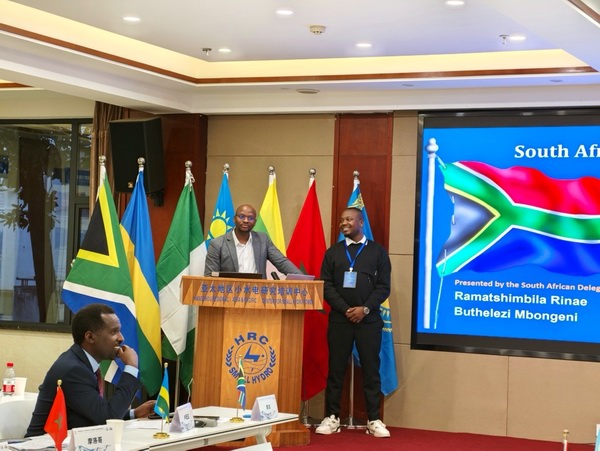
Country Reports
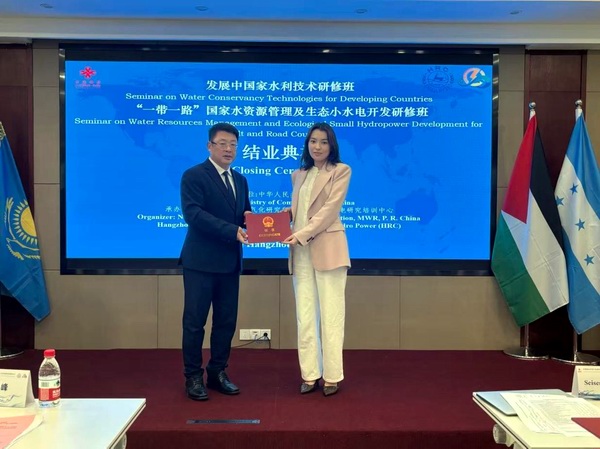
Mr. XU Zhifeng, Director General of HRC,
Presents Certificates of Completion to Participants
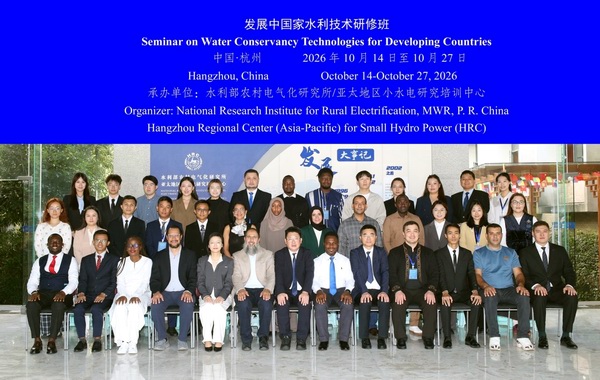
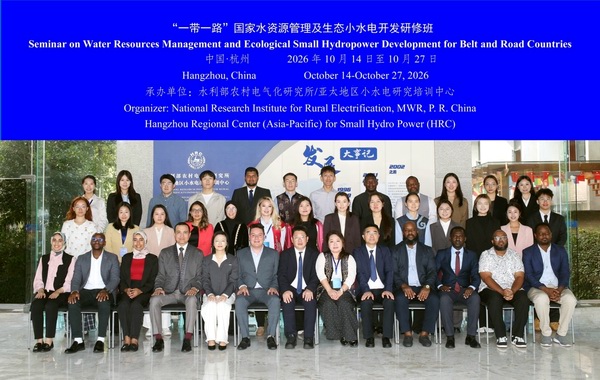
Group Photo